
Short answer: yes. Spirulina carries all nine essential amino acids and is one of the most protein-dense whole foods on earth — 60 to 70% protein by dry weight. Here's what that means, how much you actually get, and how to use it.
A protein is "complete" when it contains every essential amino acid your body can't make on its own. Spirulina does — which puts it in rare company among plant foods, alongside soy and quinoa.
Your body builds its own proteins from 20 amino acids, but nine of them are "essential" — you can only get them from food. A food is called a complete protein when it provides all nine in meaningful amounts. Most single plant foods are missing or low in at least one; spirulina isn't.
The nine essential amino acids, all present in spirulina.
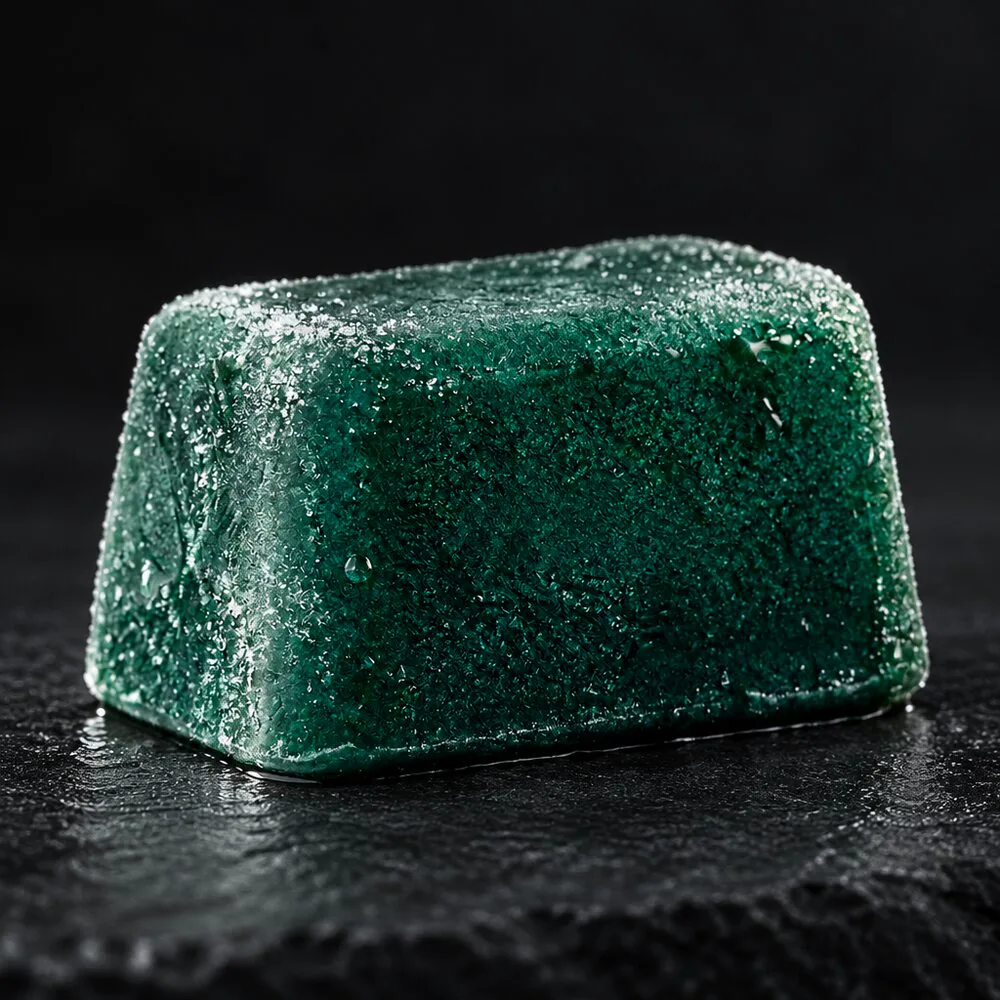
Two numbers matter here, and they tell slightly different stories. By dry weight, spirulina is about 60–70% protein — remarkable. But a serving is light, so the practical amount is a steady, high-quality boost rather than a full protein shake. Here's what you actually get from SimpliiGood:
| Amount | Protein | Also provides |
|---|---|---|
| Per 2-cube serving (28 g) | 2 g complete protein | iron (10% DV), vitamin C, ~10 calories |
| Per tray (140 g, 5 servings) | 11 g complete protein | iron (50% DV), vitamin C (47% DV) |
| By dry weight | ~60–70% protein | one of the highest of any whole food |
Think of spirulina as a complete-protein booster you add to meals — not a one-scoop replacement for a 20 g protein shake. Honest, but still one of the most nutrient-dense ways to top up.
Protein quality isn't only about amino acids; it's also about how well your body can get at them. Here spirulina has a quiet edge: unlike many plant cells, it has a soft cell wall rather than tough cellulose, so its protein and nutrients are highly accessible — no "cracking" required the way chlorella needs.
And because SimpliiGood is fresh-frozen, never heat-dried, its proteins and heat-sensitive nutrients stay intact. You're getting the amino acids in close to the state the living algae made them.
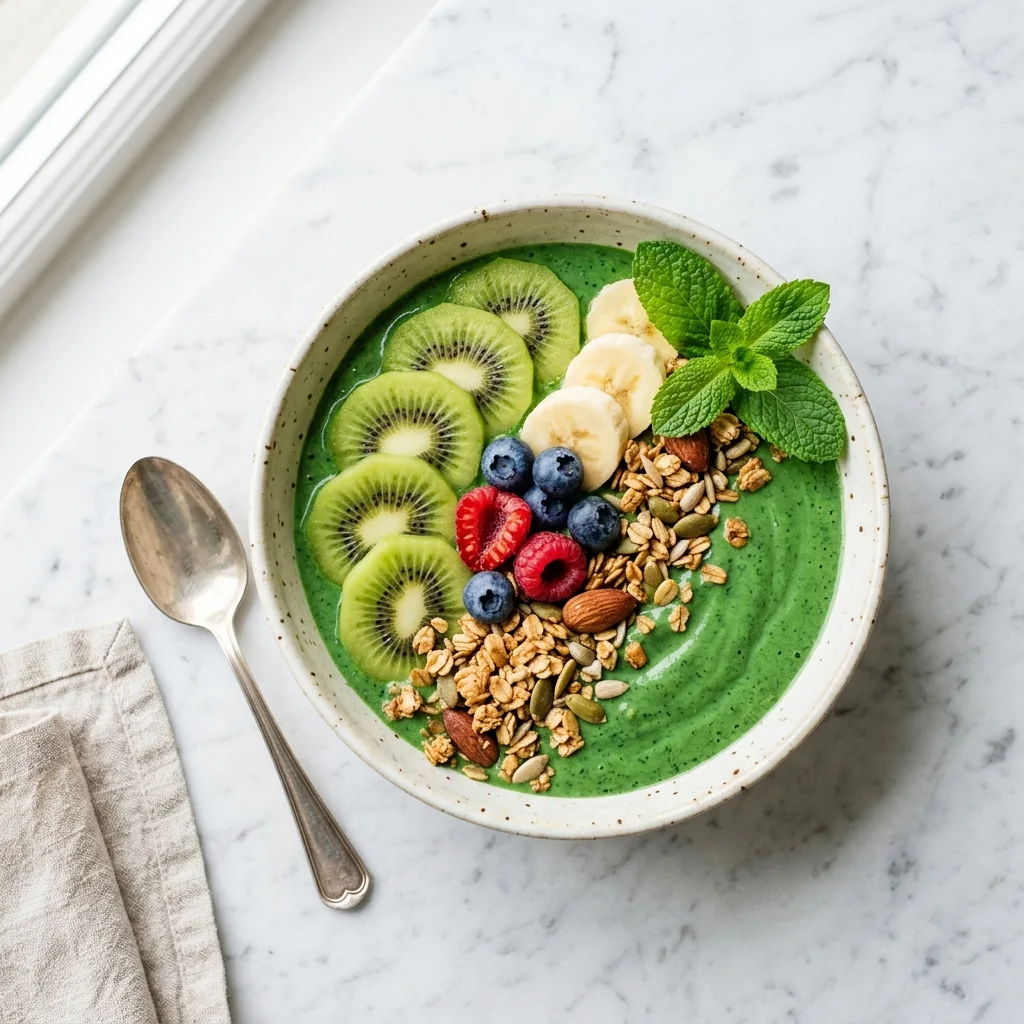
Spirulina shines as a complement that rounds out plant meals. A few easy ways to stack it:
A quick note. This is general nutrition information, not medical or dietary advice. Spirulina is a food, best used as part of a varied diet; it isn't intended to diagnose, treat, cure or prevent any disease.
Yes. It contains all nine essential amino acids, which is what defines a complete protein, and it's about 60–70% protein by dry weight. A serving is small, so treat it as a high-quality protein booster rather than a full protein shake.
A SimpliiGood 2-cube serving (28 g) has about 2 g of complete plant protein; a full tray (140 g) about 11 g. By dry weight spirulina is roughly 60–70% protein, among the highest of any whole food.
Yes — histidine, isoleucine, leucine, lysine, methionine, phenylalanine, threonine, tryptophan and valine are all present, which is why spirulina is classed as a complete protein.
It's a useful complete plant protein that also brings iron, B vitamins and antioxidants. It works best alongside larger protein sources like legumes, tofu and whole grains rather than as your only source.
Generally yes. Spirulina has a soft cell wall rather than tough cellulose, so its protein is easy to access, and fresh-frozen spirulina is never heat-dried, which helps keep its proteins intact.
More in the Spirulina Learning Center, or see spirulina vs. chlorella.