
Spirulina is one of the most nutrient-dense foods on earth — complete plant protein, iron, and antioxidants, all for about 10 calories a serving. Here's what it actually offers, grounded in what's really inside it, and why fresh-frozen keeps more of it than powder.
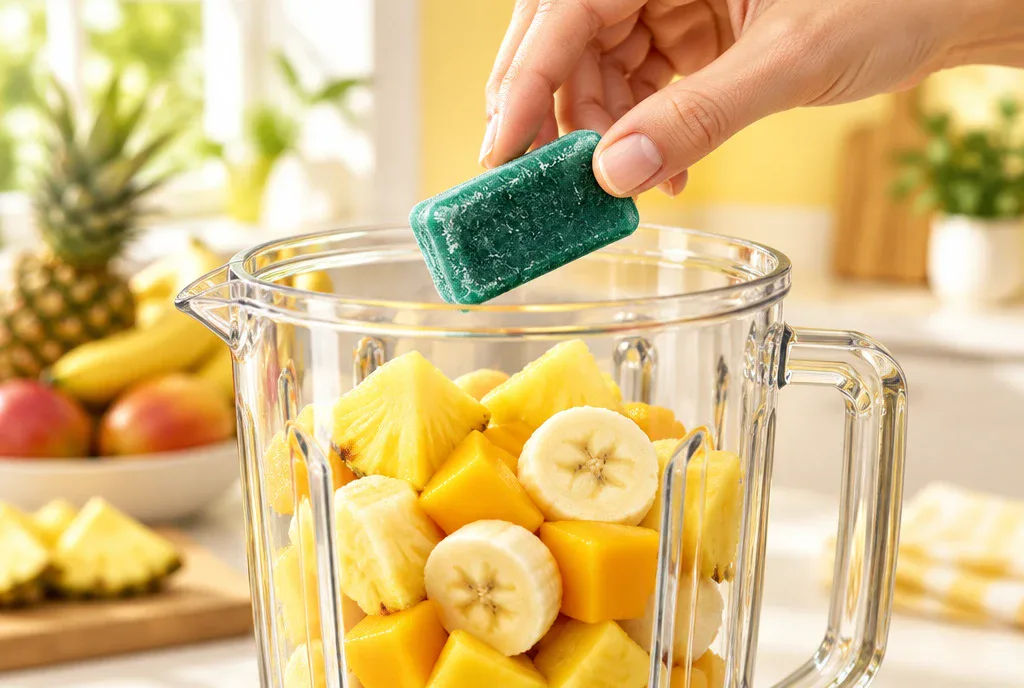
Spirulina is a blue-green microalgae that humans have eaten for centuries. What makes it a genuine superfood isn't hype — it's density: a huge amount of protein, iron, antioxidants and micronutrients packed into very few calories. SimpliiGood is one ingredient — spirulina and water — grown in food-grade pools, Non-GMO Project Verified, vegan and gluten-free.
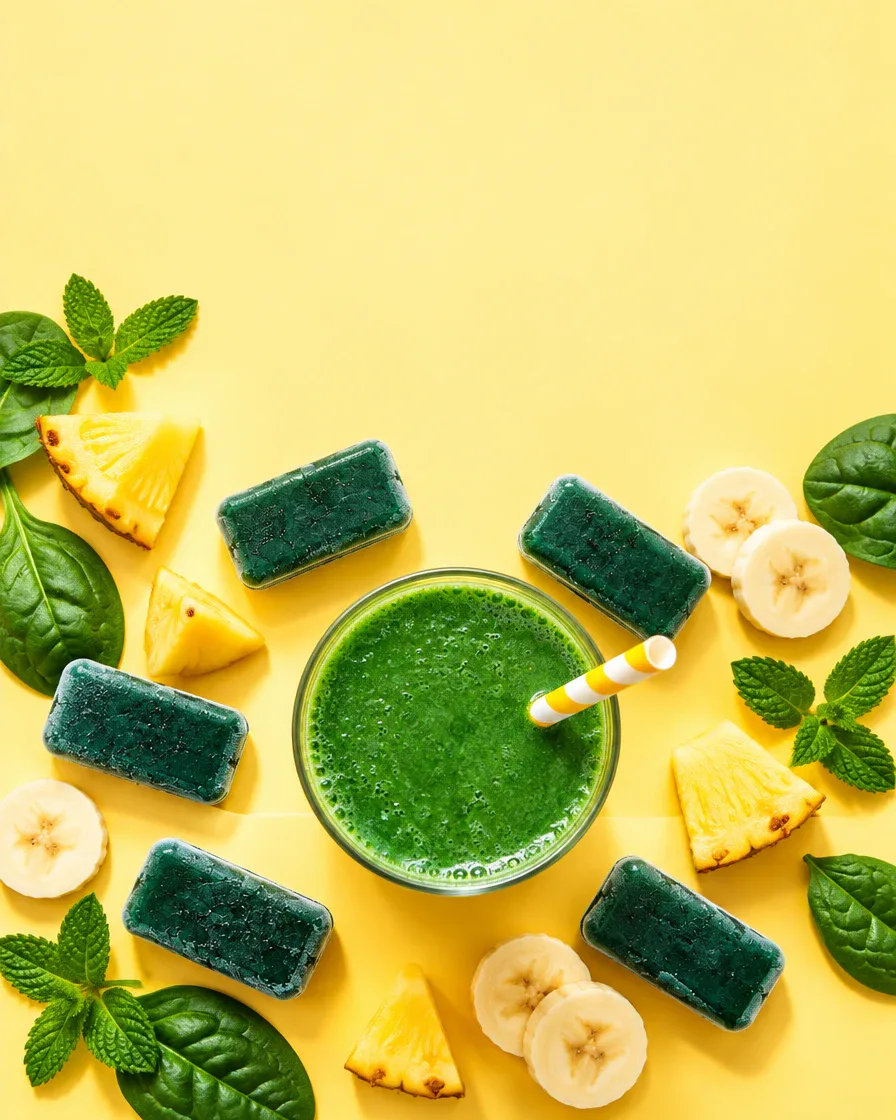
2 g of complete plant protein per serving (11 g per tray) — rare for a plant, and a real plus for vegan and vegetarian diets.
1.9 mg of iron per 2-cube serving (50% DV per tray) — a notable source for an iron-conscious diet. More on spirulina & iron →
Spirulina's signature blue pigment is an antioxidant — and because SimpliiGood is frozen, not heat-dried, it stays intact.
Fresh-frozen keeps the chlorophyll that heat-drying reduces — the reason the cubes are such a deep, living green.
All of the above for about 10 calories, with 0 g fat and 0 g sugar — nutrition without the calorie cost.
The best superfood is the one you actually eat. Flavor-free cubes blend into any smoothie — no fishy taste, no measuring.
Here's the catch with most spirulina: the benefits live in heat-sensitive compounds, and drying spirulina into powder uses heat that degrades them. SimpliiGood is flash-frozen within 24 hours of harvest instead — so phycocyanin and chlorophyll stay intact, and it stays flavor-free. See the full fresh vs. powder comparison, read what fresh-frozen spirulina is, or put it to work in a recipe.
A quick note. This article is general nutrition information, not medical advice, and spirulina is a food — not intended to diagnose, treat, cure or prevent any disease. If you're pregnant, nursing, taking medication or managing a health condition, talk to your doctor before adding a new food or supplement.
Its benefits come from its density: complete plant protein with all nine essential amino acids, iron (10% DV per SimpliiGood serving), the blue antioxidant phycocyanin, chlorophyll, B vitamins and vitamin C — for about 10 calories a serving, with no fat or sugar.
For most healthy adults, yes — it's a nutritious whole food (one ingredient, Non-GMO Verified, vegan, gluten-free) and a concentrated source of plant protein, iron and antioxidants. It complements a balanced diet rather than replacing it; check with your doctor if you're pregnant, on medication or managing a condition.
Mainly as an easy source of plant protein and iron, a daily antioxidant boost (phycocyanin, chlorophyll), and dense green nutrition for vegan and vegetarian diets — all in something that blends into a smoothie without the fishy taste of powder.
A common everyday amount is a 2-cube serving (28 g) in one smoothie. Spirulina is a food, so there's no single required dose — more adds more nutrition, but there's no need to megadose. Follow your healthcare provider's guidance for a specific goal.
Quality spirulina is well tolerated by most healthy adults — choose a trusted, Non-GMO Verified source grown in controlled, food-grade conditions. People with PKU, those on blood thinners or immune medication, and anyone pregnant should talk to a doctor first. General information, not medical advice.
Fresh-frozen keeps more of the heat-sensitive compounds (phycocyanin, chlorophyll) that drying degrades, and stays flavor-free so you'll use it daily. Powder still wins on shelf life and travel. See the full comparison.
Keep exploring in the Spirulina Learning Center, or see what's inside spirulina in full.