
If you're searching for organic spirulina, you're really after one thing: the cleanest, safest spirulina you can get. Here's the honest surprise — for spirulina, the organic seal isn't the best way to get there. What matters more is how it's grown, and whether it's actually tested.
The USDA organic seal certifies the inputs and methods used on the farm. It does not require testing the finished product for heavy metals or cyanotoxins — the two contaminants that actually matter in spirulina. That gap is the whole story.
Organic certification is about farming practice — which nutrient inputs are allowed, and keeping prohibited synthetic pesticides and herbicides out. Those are good things. But two important details get lost when people assume "organic" automatically means "purest."
There's also a quirk specific to algae. To grow spirulina that qualifies as organic, producers generally need an organic-approved source of nitrogen — and in practice that source is often animal-derived (think composted manure or guano-based inputs). It's allowed, and it can be done carefully, but it's worth knowing that "organic spirulina" doesn't necessarily mean a cleaner nutrient source than a controlled, food-grade one.
We took a different route — one built around the finished product, not the paperwork. Our spirulina grows in controlled greenhouse pools of food-grade fresh water, a closed environment where pesticides and herbicides simply aren't used. Instead of animal-derived fertilizer, we feed the algae food-grade mineral and salt nutrients that replicate its natural habitat.
Then we prove it. Every harvested batch is independently lab-tested for heavy metals, cyanotoxins and other contaminants before it ships — the exact things the organic seal never checks. We're Non-GMO Project Verified and produced in an FDA-registered food facility.
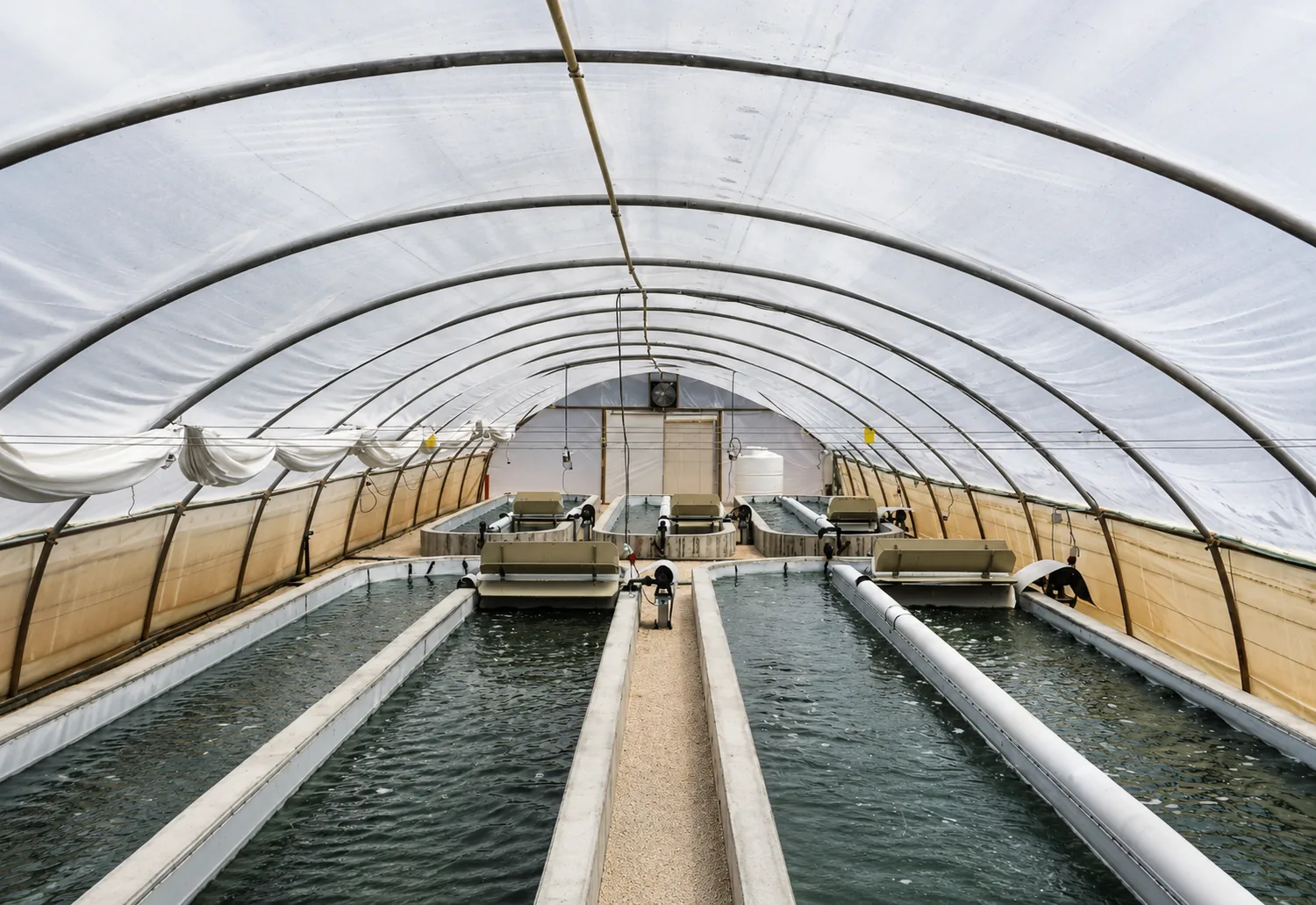
If "organic" was your shorthand for clean, pure and safe, then what you actually want is a controlled growing environment and verified results — not just a label about farming inputs. You don't have to choose between clean inputs and a clean result, but if it came down to one, the result is what ends up in your body.
That's the standard we built SimpliiGood around: grown clean, kept whole, and tested every batch.
Not necessarily. The organic seal certifies how spirulina is farmed — not how clean the finished product is. It doesn't require testing for heavy metals or cyanotoxins, the contaminants that matter most. A controlled growing environment plus independent, batch-by-batch testing tells you more about real purity than the organic label alone.
Farming practices: approved organic-eligible nutrient inputs, no prohibited synthetic pesticides or herbicides, and non-GMO. It does not verify the finished product's heavy-metal or cyanotoxin levels, which depend on the water and the growing environment rather than on whether the fertilizer was organic.
Because the real safety questions — heavy metals and cyanotoxins — come down to the growing environment and testing, which the seal doesn't address. And growing spirulina to organic standards generally requires an organic-approved nitrogen source, which is often animal-derived. A clean, controlled environment fed with food-grade minerals, plus third-party testing on every batch, targets purity directly.
Our priority isn't the organic seal — it's a controlled environment and verified purity. We grow in controlled greenhouse pools of food-grade fresh water with no pesticides or herbicides, feed the algae food-grade mineral and salt nutrients, and independently lab-test every batch for heavy metals, cyanotoxins and more. We're Non-GMO Project Verified and produced in an FDA-registered food facility.
Yes. It's grown in a controlled, closed environment where pesticides and herbicides aren't used, and the algae is fed food-grade mineral and salt nutrients that replicate its natural habitat. Every batch is independently tested to confirm what's in — and what isn't.
More in the Spirulina Learning Center, or read about spirulina safety and side effects.
A quick note. This is general educational information about how spirulina is grown and certified, not medical advice, and it isn't a statement about any specific other brand. Spirulina is a food and is not intended to diagnose, treat, cure or prevent any disease.