
For most healthy adults, quality spirulina is safe and well tolerated. The honest truth is that the biggest safety factor isn't spirulina — it's where it's grown and whether it's tested. Here's what to know about side effects, who should be careful, and how SimpliiGood is made.
Spirulina itself is a clean, one-ingredient food. Real safety problems almost always come from poorly sourced spirulina grown in uncontrolled ponds, which can carry heavy metals or cyanotoxins. The answer isn't to avoid spirulina — it's to choose spirulina that's grown cleanly and tested.
This is where SimpliiGood is genuinely different. Instead of open ponds, we grow in controlled, sterile fresh water with a carefully managed growth medium — so contaminants never get a way in. Then we verify it:
Grown in food-grade fresh water with a managed medium — not open, uncontrolled ponds.
Independently tested for heavy metals, cyanotoxins (microcystins) and more before it ships.
Produced in an FDA-registered food facility that meets US food-safety requirements, and Non-GMO Project Verified.
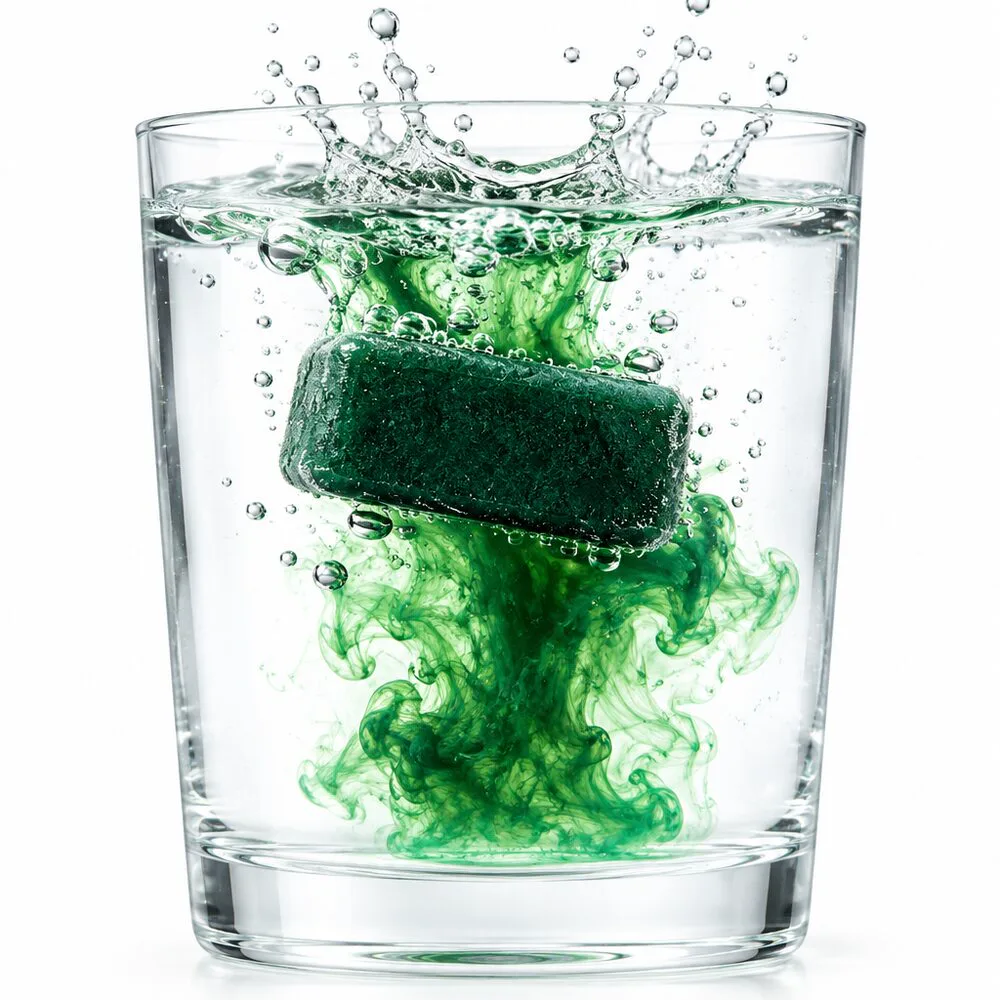
For most people adding quality spirulina, side effects are mild or none. If they happen, they're usually temporary and easy to manage:
Serious reactions are rare and are usually tied to contaminated, poorly sourced product — not clean, tested spirulina.
A quick note. This is general information, not medical advice. Spirulina is a food and is not intended to diagnose, treat, cure or prevent any disease. If you're pregnant, nursing, taking medication, or managing a health condition, talk to your doctor before adding a new food or supplement.
For most healthy adults, quality spirulina is safe and well tolerated. The key factor is the source: open-pond spirulina can carry heavy metals or cyanotoxins. SimpliiGood is grown in controlled, food-grade fresh water and every batch is independently lab-tested for heavy metals, cyanotoxins and more.
Usually few or none for healthy adults. Some notice mild, temporary digestive changes when first adding it (start with 1 cube), and it can harmlessly tint things green. Serious issues are rare and usually linked to contaminated, poorly sourced product.
Only when it's grown in uncontrolled conditions and not tested. Open-pond spirulina can absorb heavy metals or be contaminated with microcystins from other algae. That's why SimpliiGood grows in controlled, sterile fresh water and tests every batch at external labs before it ships.
People with PKU should avoid it (it contains phenylalanine). Anyone with an autoimmune condition or on immune-related medication, on blood thinners, or who is pregnant or nursing should talk to their doctor first.
Yes — it's produced in an FDA-registered food facility that meets US food-safety requirements, it's Non-GMO Project Verified, and every batch is independently lab-tested for heavy metals, cyanotoxins and more, grown in controlled food-grade fresh water rather than open ponds.
More in the Spirulina Learning Center, or see how much to take per day.